TIHANYI PC

ABOUT
SWIMMING

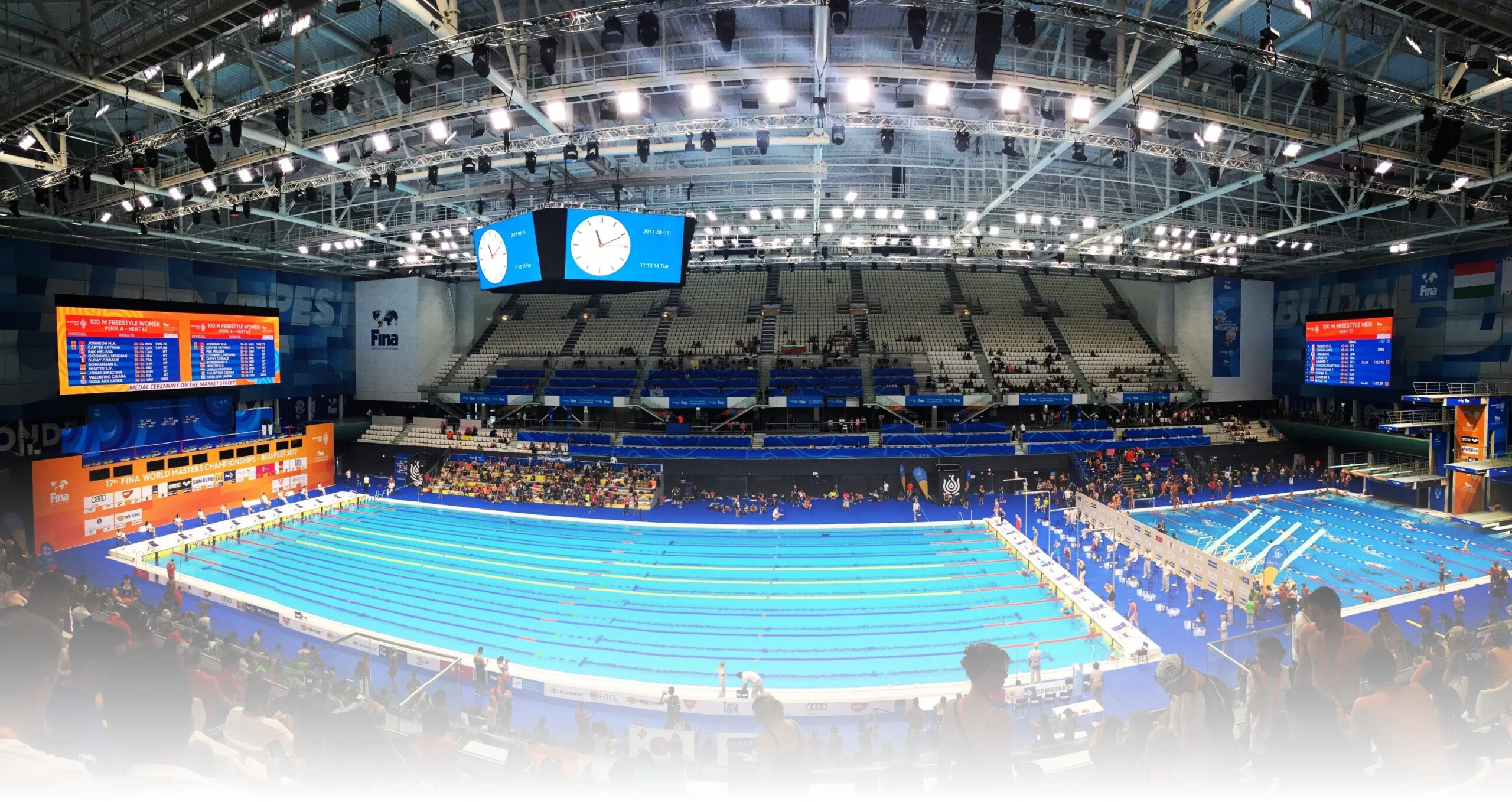
A FULL BODY WORKOUT
Swimming engages nearly every muscle group in your body, from your arms and legs to your core and back.
This makes it an incredibly efficient way to build endurance and cardiovascular fitness. The water provides gentle resistance, making it easier on your joints than many land-based exercises, and allowing for lengthy training sessions.
CARDIOVASCULAR HEALTH
Swimming is a great way to get your heart pumping and improve your cardiovascular health.
Regular swimming can help lower blood pressure, improve cholesterol levels, and reduce the risk of heart disease. It also increases lung capacity, improves circulation, increase aerobic capacity and power, along with one’ recovery.
JOINT-FRIENDLY EXERCISE
The buoyancy of water reduces the impact on your joints, making swimming an ideal exercise for people with arthritis, scoliosis, injuries, or other conditions that make it difficult to participate in high-impact activities.
It can also help improve flexibility and range of motion.
WEIGHT MANAGEMENT
Swimming is an excellent way to burn calories and manage your weight. Being a full-body activity with large muscle involvement, a greater amount of your body’s fuels and calories will be utilized.
STRESS RELIEF
Swimming can be a relaxing and meditative activity. The rhythmic movements and the feeling of weightlessness in the water can help reduce stress and anxiety. It can also improve your mood and promote better sleep.
STRENGTH AND CONDITIONING
INCREASE MUSCLE AND FAT FREE MASS
Resistance training stimulates muscle protein synthesis, leading to muscle growth (hypertrophy). More muscle mass not only improves your physique but also boosts your metabolism, improving insulin sensitivity, fat oxidation, and resting metabolic rate, helping you burn more calories even at rest and provides improved metabolic functioning. Fat-free mass (bones, organs, tissue, muscle, and water) protects against the risk of mortality.
ENHANCED POWER, STRENGTH, AND ENDURANCE
By progressively overloading your muscles (gradually increasing the resistance), you challenge them to adapt and become stronger. This translates towards improved athletic performance, and in everyday activities like lifting groceries, climbing stairs, and playing with kids.
IMPROVED BONE HEALTH
Resistance training puts stress on your bones, which stimulates bone cell activity and increases bone density. This is crucial for preventing osteopenia and osteoporosis by reducing the risk of fractures, especially as you age.
WEIGHT MANAGEMENT
While not solely a weight-loss method, resistance training plays a vital role. Increased muscle mass boosts your metabolism and improved insulin sensitivity, making it easier to manage your weight. It also helps shape your body composition by increasing lean muscle mass and reducing body fat.
REDUCED RISK OF INJURY
Stronger muscles and connective tissues provide better support for your joints, reducing the risk of injuries. Improved balance and coordination, often a byproduct of resistance training, further contribute to injury prevention.
ANTHROPOMETRY
Anthropometry is the science of measuring the human body. It involves the systematic measurement of the size and proportions of the human body, including:
Body dimensions: Height, weight, limb lengths, circumferences (waist, chest, etc.), and skinfold thickness.
Body composition: The proportion of fat mass and lean mass in the body.
Body proportions: The relationship between different body measurements (e.g., the ratio of arm length to leg length).
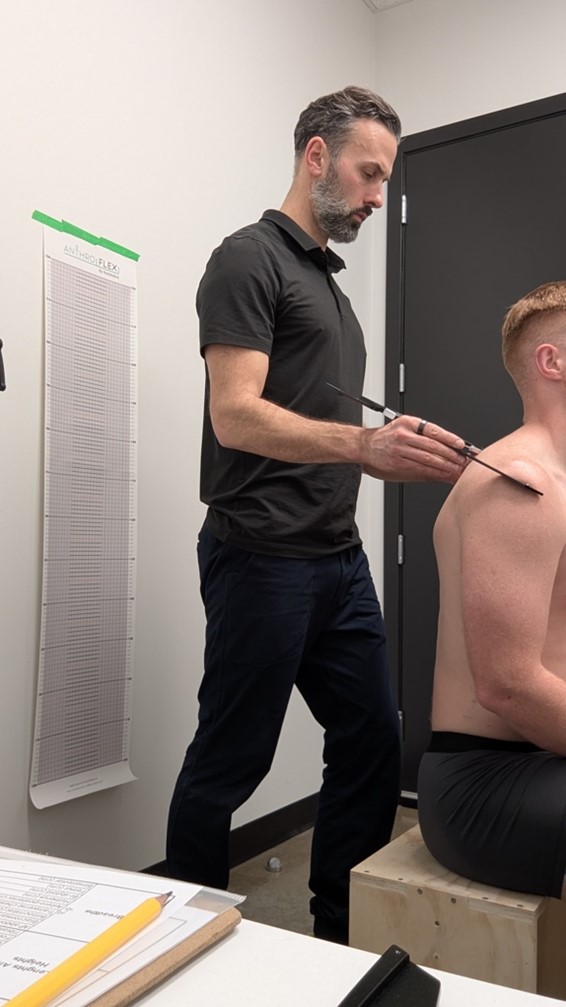
Benefits and applications of Anthropometry include:
- Assessing Body Composition: Anthropometry helps determine an athlete’s body fat percentage and lean muscle mass. This is crucial because:
- Performance: Different sports have different ideal body compositions. Endurance athletes often benefit from lower body fat, while strength athletes may need more muscle mass.
- Weight Management: Knowing body composition allows for targeted nutrition plans to help athletes achieve and maintain a healthy weight without compromising performance.
- Monitoring Progress: Tracking changes in body composition over time can indicate the effectiveness of a nutrition plan and training program.
- Setting Realistic Goals: Anthropometric data can help athletes and coaches set realistic and achievable performance goals based on their individual body type and potential.
- Tailoring Nutrition Plans: Based on an athlete’s body composition, sport, and training intensity, a personalized nutrition plan can be used to meet their specific needs. For example:
- Carbohydrate needs: Endurance athletes require higher carbohydrate intake to fuel their long-duration activities.
- Protein needs: Strength and endurance athletes need adequate protein to support muscle growth and repair.
- Calorie intake: Calorie needs are adjusted based on training volume and intensity, as well as the athlete’s body composition goals.
- Monitoring Hydration Status: Changes in body weight can be an indicator of hydration status. Anthropometry can help track these changes and ensure athletes are properly hydrated.
- Identifying Potential Health Risks: Anthropometric measurements can help identify potential health risks, such as underweight or overweight, which may impact athletic performance and overall health.